
Loading cart contents...
NYFF63 CURRENTS: Program 2: Afterimages
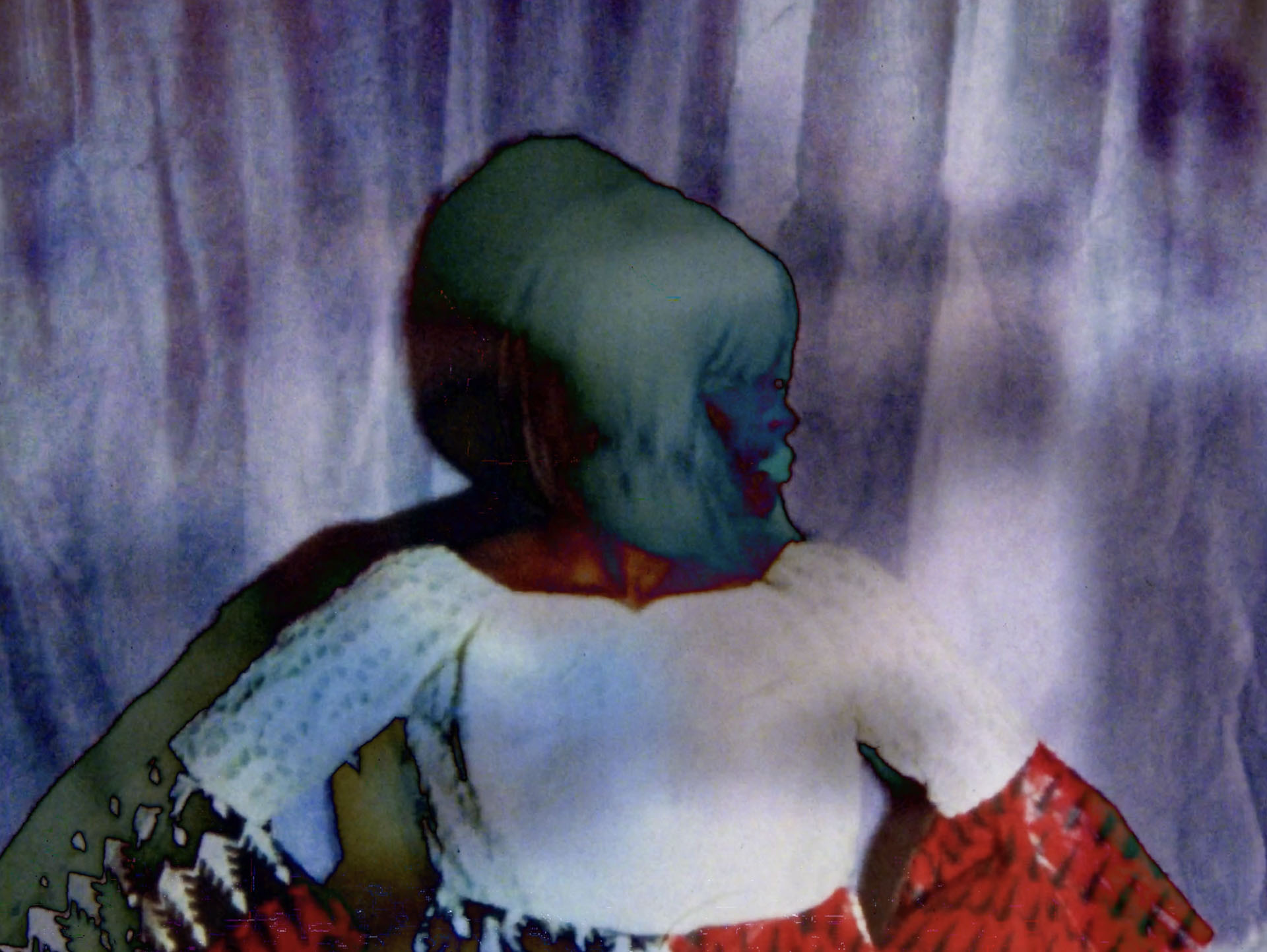
Yace Sula, As Told By a Corpse (2025), frame enlargement. Courtesy of Yace Sula.
For some years now, film programmers’ inboxes have been the recipient of a steady uptick of artificial intelligence-generated images and sounds. Entire festivals have been minted to support this growing slop economy—the third edition of the Runway AI Film Festival held its opening gala at Film at Lincoln Center’s vaunted Alice Tully Hall this summer. Currents, like its sister program Wavelengths, held a month prior at TIFF, is often thought of as a bulwark against the industry concerns encroaching elsewhere in the festival. This year, however, the slop breached the proverbial floodgates. Just down the street from the Alice Tully, in the significantly smaller Howard Gilman Theater, NYFF Currents’ second shorts program, Afterimages, featured six shorts with not one but two featuring images and sounds created with generative AI.
Afterimages began with Yace Sula’s As Told By a Corpse, cutting between and superimposing three layers of footage and introducing the program’s essential stakes. The first is typical to contemporary experimental programming—small gauge footage sourced from the filmmaker’s personal archive. The limitations and deterministic power of “the archive” have been concerns of experimental film for some time. These images, showing the infant Sula at a baby naming ceremony, are then projected onto the grown Sula in their apartment, raising a hand as if urging the scene to stop. Atop these scenes, Sula superimposes the spectral, almost electrical outline of a human form, seeming to writhe in some unseen agony. Certain unstoppable forces are caught in motion: the birth of one form imposing apparent death on another. The present Sula can only watch in horror. Inducted into the digital realm, the static, indexical quality of the celluloid footage is suddenly open to a new field of manipulations. The warm Super 8 grain begins to glitch and artifact. One soul enters the world, another exits. One property of the audiovisual experience dies, another is born. The storm, per Walter Benjamin, is what we call progress.
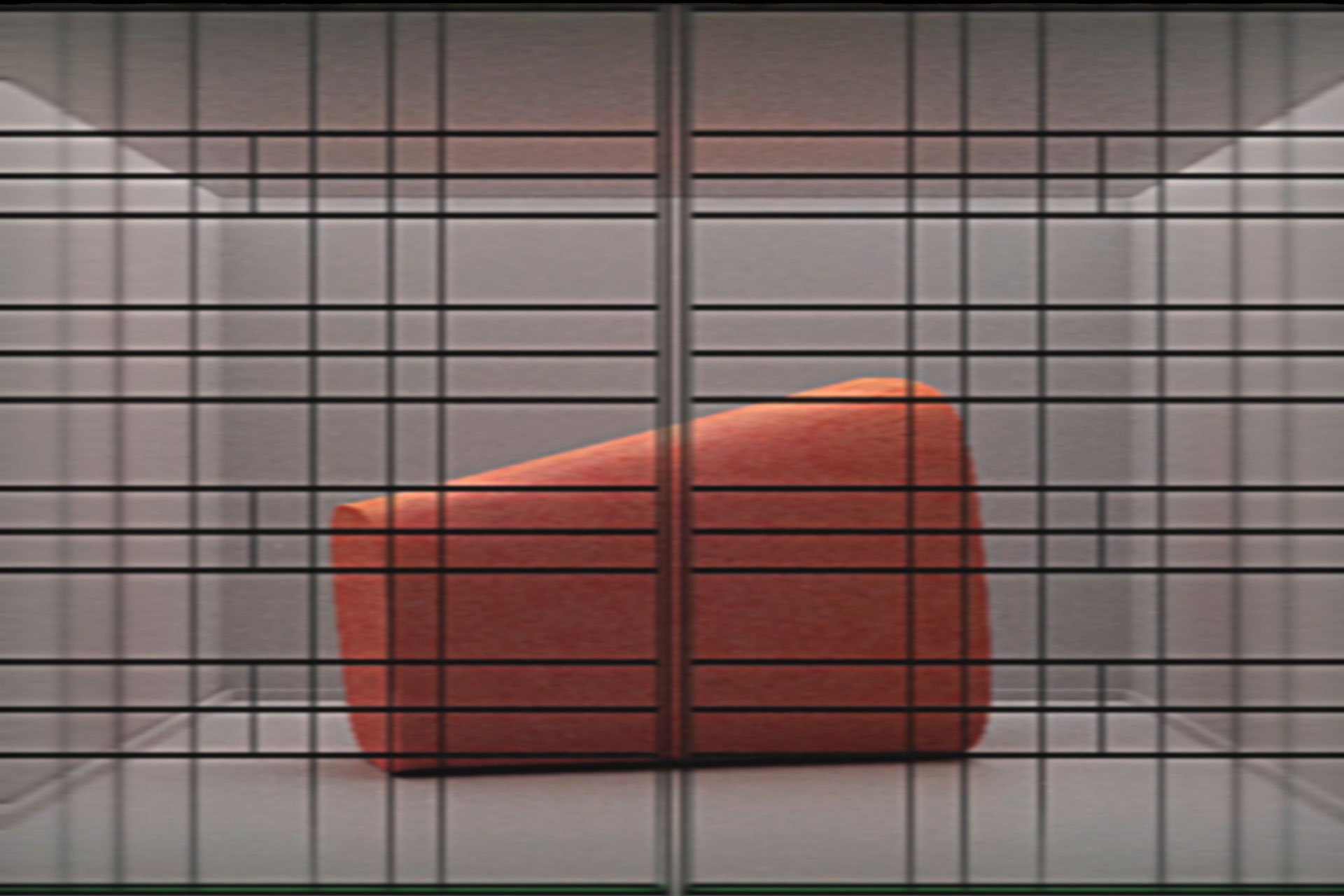
Lin Htet Aung, A Metamorphosis (2025), frame enlargement. Courtesy of Film at Lincoln Center.
Following a two-minute memento mori by conceptual artist Mungo Thomson, the program moves from a consideration of the waning role of afterimages—the audiovisual ephemera that survive an event—into what comes next. Gathering, this program posits, is the possibility of a world bereft even of these afterimages, a world of dupes, without even these dubious claims of indexicality. A world, in other words, after images. The third film, Lin Htet Aung’s A Metamorphosis, takes the form of an oneiric trip, a dream seemingly dreamt (or generated) while dozing off in front of the state television broadcasts of Myanmar’s various dictatorships since the 1960s. The images—still shots of a curtain-bordered proscenium, empty glasses on a table, algae-laden ponds and disembodied hands—are set to a lullaby sung by the AI-generated voice of current leader General Min Aung Hlaing. The picture jitters, as if rendered in an incorrect frame rate, animating a sense of unease belied by the tranquil scenery and childish singing. Something is amiss, despite the louder claims to the contrary. A Metamorphosis identifies the two chief perpetrators of the disembowelment of images’ claim on reality, authoritarian governments and big tech, and alerts us to the placid, empty surfaces gaining prominence in our future.
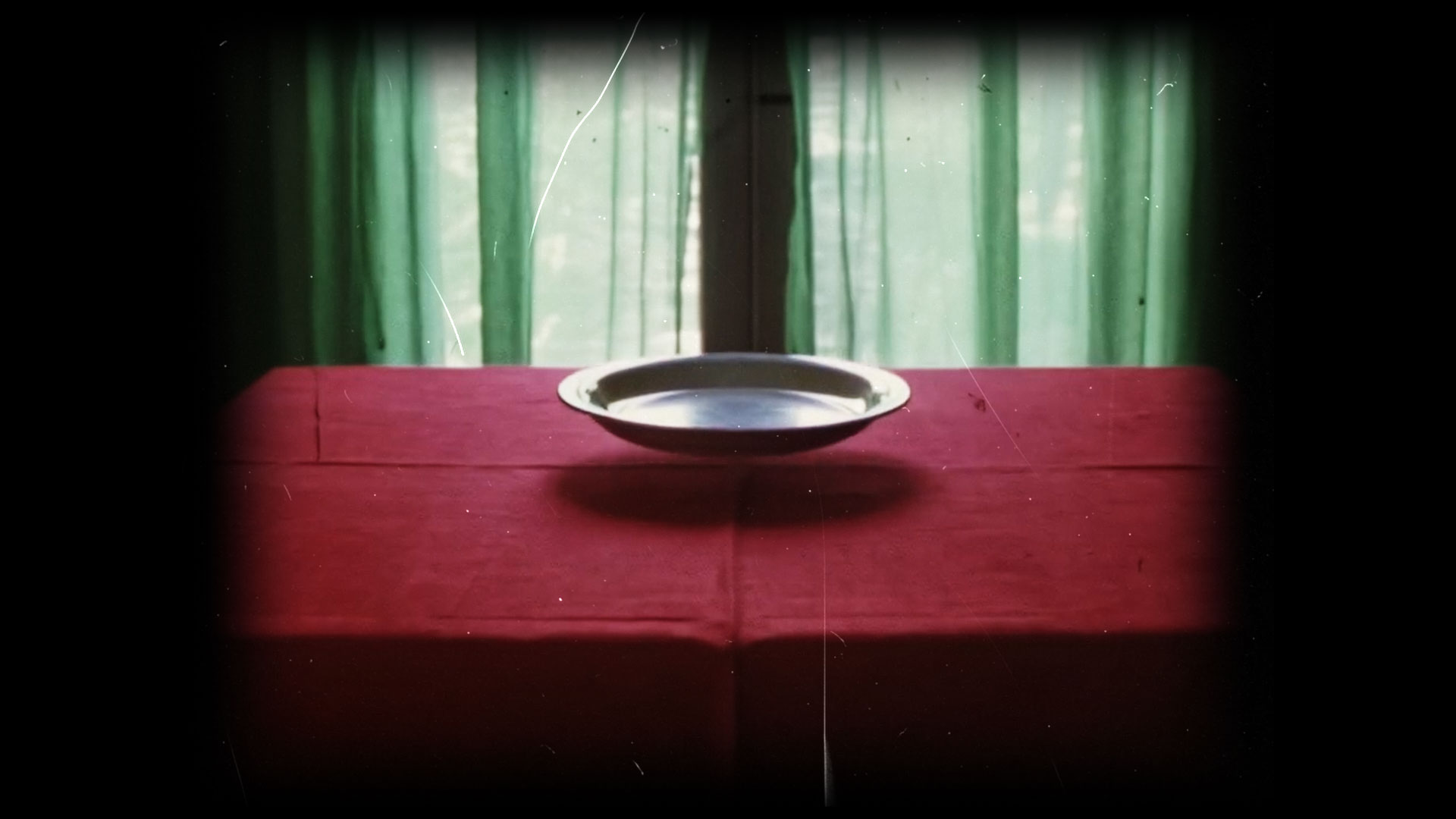
Jorge Caballero and Camilo Restrepo, 09/05/1982 (2025), frame enlargement. Courtesy of Jorge Caballero and Camilo Restrepo.
09/05/1982, directed by Jorge Caballero and Camilo Restrepo, was Afterimages’ true provocation. Purporting to use archival footage to tell the story of a crushed popular uprising in an unnamed Latin American country, 09/05/1982 makes exclusive use of AI-generated “16mm” images. The smashed windows, generic revolutionary graffiti and empty public spaces, it is revealed at the end, are the result of prompts typed to a chatbot. If the film’s thesis is bluntly delivered, its inclusion in this context nevertheless proves radically destabilizing. Right wing governments and big tech are familiar enemies, but—assuming the ruse works—09/05/1982’s rug-pull prompts us to look inward. Scratches, dirt, and stretches of blank film interrupt the shots, which are scored with the fluctuating crackle of a dirty analog optical sound reader: well-established markers of archival authenticity that are evidently rather simple to recreate artificially. Furthermore, sandwiched between films about the Myanmar dictatorship and the breakup of Yugoslavia, Caballero and Restrepo’s film confronts the international liberal film festival perspective with all it is willing to assume and project onto a made-up historical event, introducing a key and underexamined third culprit in the disemboweling of the audiovisual medium’s ability to communicate something true.
The inclusion of these AI-generated shorts occasions some reflection: Are festival curators obliged to make a selection representative of the year’s submissions, which no doubt reflect broader trends in audiovisual culture? A related question: Are filmmakers obliged to reflect, or, hopefully, address, those broader trends in their work? If both answers are no, and we should instead preserve some assumed sanctity in the face of a worsening world, one of course risks the further perceived isolation of these works and these sections. But if the work is spun whole from AI-generated cloth, is there really any relationship to the world at the end of this tenuous chain of linkages?
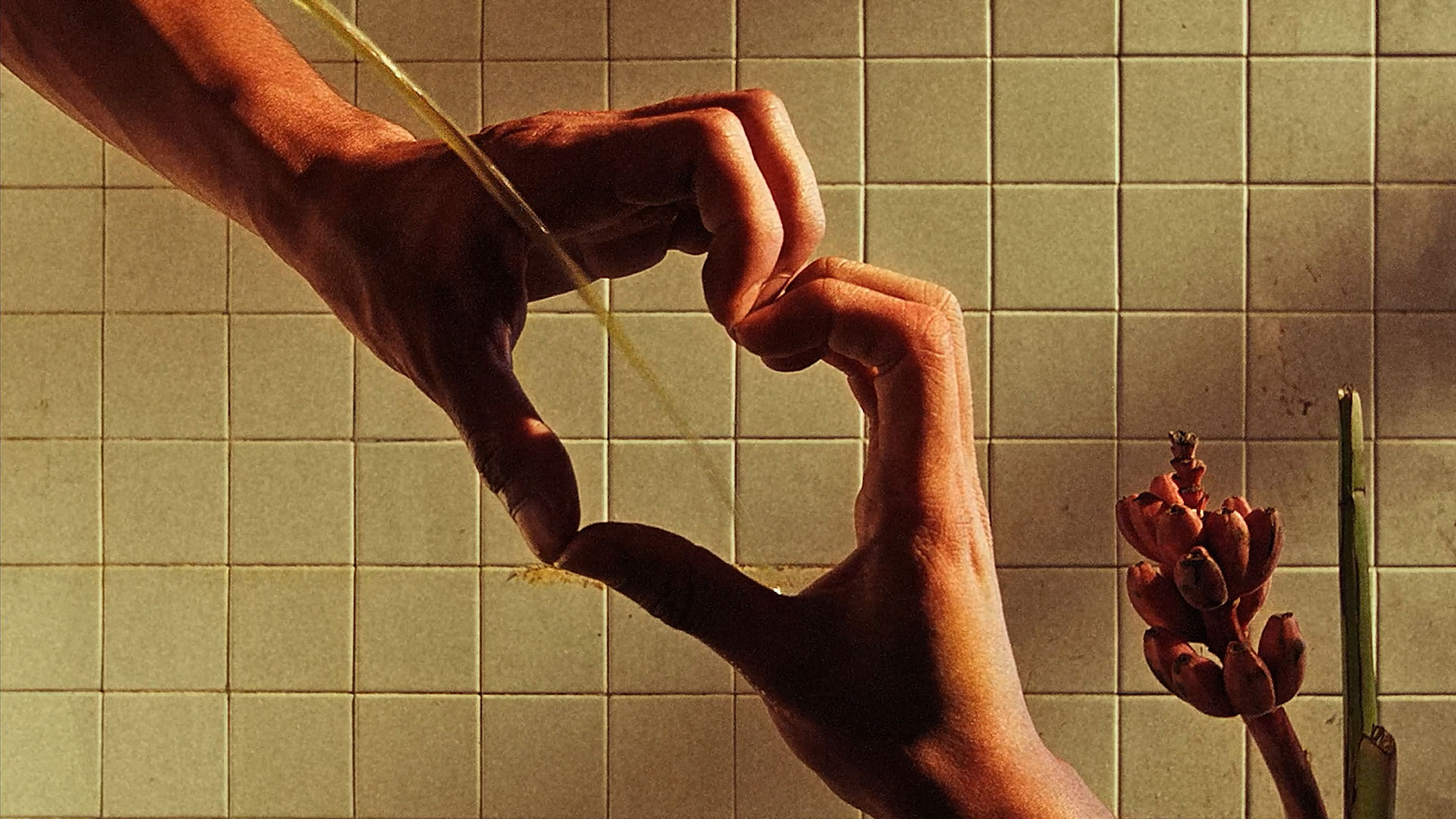
Whammy Alcazaren, Water Sports (2025), frame enlargement. Courtesy of Square Eyes.
After these two artificially generated ventures, Afterimages retreated slightly with Slet 1988, a tiresome engagement with the television archive of the fall of Yugoslavia, before closing with Water Sports, a comedy of drought directed by Whammy Alcazaren, that feels akin to an ADHD take on The Wayward Cloud. If this inclusion of a portrait of the Philippines after water feels cheeky given the use of Gen-AI in a program called Afterimages, this is perhaps the program’s enduring statement. The old images of the world no longer suffice. With images real and artificial, Afterimages proposes to register the change occurring everywhere outside of Currents—it’s a new world out there, and the pace of change isn’t slowing.
Review by Dylan Adamson
Disclaimer: This page is for your personal use only. It is not to be duplicated, shared, published or republished in whole or in part, in any manner or form, without the explicit permission of the publisher, author, and copyright holder(s) of the images.